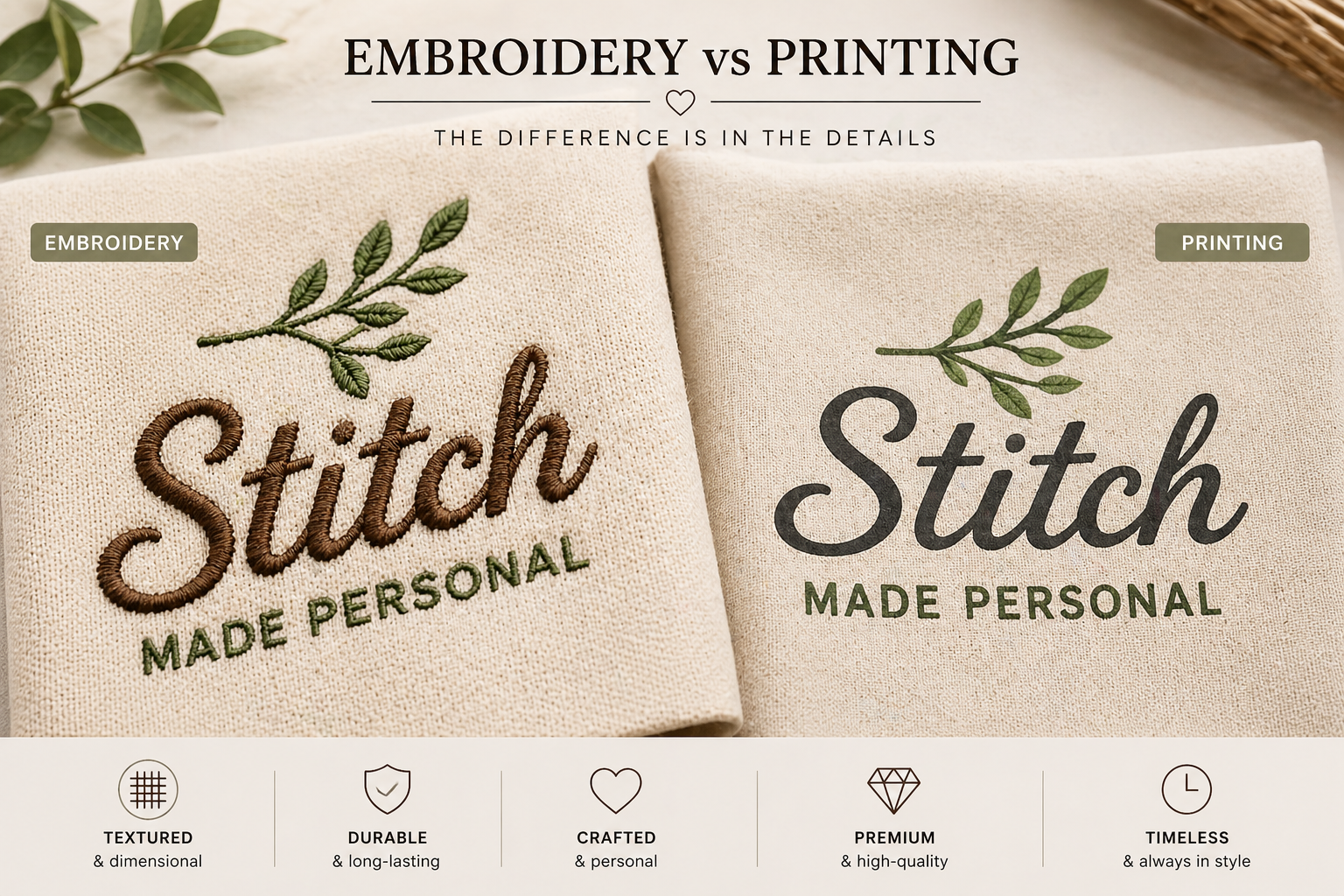
When it comes to customizing products, two popular methods stand out: embroidery and printing. While both have their places, embroidery has long been associated with a more premium, timeless, and professional feel. This distinction stems from the fact that embroidery weaves thread into the fabric, resulting in a long-lasting finish, whereas printing leaves ink flat on the surface.
From luxury fashion brands to hotel uniforms and personalized gifts, embroidery remains a three-dimensional, tactile craft that symbolizes quality craftsmanship. It creates physical depth and a sense of touch. But what specifically makes embroidered products feel more premium than printed ones?
Let’s delve further into the special qualities of embroidery:
- Embroidery Has Texture and Depth
One of the most significant differences between embroidery and printing is the physical texture.
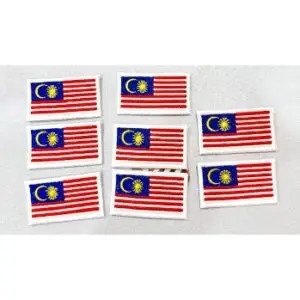
Printing sits flat on the fabric, while embroidery is stitched directly into the material using thread. This raised texture creates a richer, more detailed appearance and adds weight, making the embroidery more visually appealing.
You can:
- See the stitching
- Feel the craftsmanship
- Notice the dimensional quality from a distance
This tactile experience gives embroidery a sophisticated and polished look.
- It Looks More Durable
People often associate embroidery with long-lasting quality, and there’s good reason for that. Unlike some printed designs that may crack, peel, or fade with repeated washing, embroidery threads are stitched into the fabric, creating a more resilient and permanent bond. When properly cared for, embroidered designs can endure over time.
This durability makes embroidery particularly popular for:
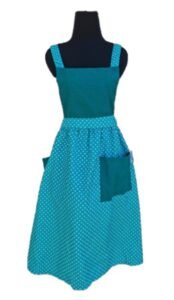
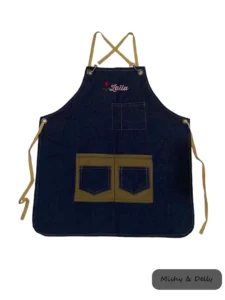
- Work aprons
- Uniforms
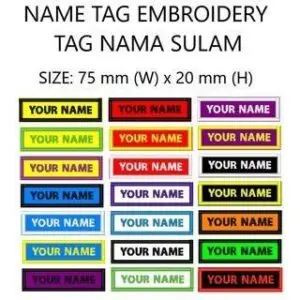
- Name tags
- Tote bags
- Gifts and souvenirs
- Personalized everyday items
The stronger appearance of embroidered products conveys reliability and value.
- Embroidery Feels More Crafted and Personal
Embroidery evokes a handmade, thoughtful feeling that printing often cannot replicate. Even when modern embroidery machines are used, people still associate stitching with craftsmanship, attention to detail, tradition, and personalization.
This emotional connection is important, especially for customized gifts and personalized items. An embroidered name or message feels intentional and carefully made, rather than mass-produced.
- Thread Naturally Creates a Premium Look
Embroidery threads interact with light differently from printing ink. Depending on the angle and material, embroidery thread can appear soft, elegant, slightly glossy, and richly textured.
This interplay of light gives embroidered designs an elevated, sophisticated visual depth that promotes identity and professionalism. It’s one reason many premium cafes, bakeries, fashion brands, and hospitality businesses prefer embroidered logos and uniforms over printed ones.
- Embroidery Is Associated With Professional Branding
Embroidery has long been used in professional environments such as:
- Hotels
- Restaurants
- Corporate uniforms
- Luxury retail
- Premium merchandise
Because people often encounter embroidery in high-quality settings, they subconsciously link it with professionalism and trust. A simple embroidered logo can instantly enhance the authenticity of a product or uniform.
- It Adds Character to Everyday Products
One of the most delightful aspects of embroidery is its ability to transform ordinary items into something more personal. For example, a plain apron can become:
- A baker’s signature piece
- A café uniform
- A thoughtful, customized gift
Similarly, a simple luggage tag becomes easier to identify, more stylish, and uniquely yours. Embroidery adds warmth and personality without being overly flashy.
- Not Everything Needs to Be Loud
Printed designs are typically bold, colorful, and attention-grabbing. In contrast, embroidery tends to feel more subtle and refined. Small stitched details can quietly elevate a product without overwhelming it. This understated elegance is part of what makes embroidery feel timeless.
Final Thoughts
While printing is excellent for various applications, especially for large graphics and vibrant artwork, embroidery offers something uniquely special when it comes to craftsmanship, durability, texture, and the overall premium feel.
Embroidery transforms practical items into meaningful pieces filled with personality and character. Whether it’s a customized apron, embroidered name tag, or personalized travel accessory, embroidery conveys a sense of care that is both visible and tangible.
In many cases, those small stitched details can make all the difference.